

New Orleans Tour Guide License: A Comprehensive Guide (Updated 01/24/2026)
Navigating New Orleans’ vibrant tourism scene requires proper licensing; guides need authorization for city-wide tours, specialized options like cemetery or ghost explorations, and adherence to regulations.
New Orleans thrives on its rich history, unique culture, and lively music scene, attracting visitors globally. Consequently, tour guiding is a significant industry, offering diverse experiences – from historical explorations and jazz club visits to intriguing cemetery and LGBTQ+ history tours.
Professional guides enhance visitor experiences, providing insightful narratives and ensuring safe, informative journeys. However, operating legally necessitates a New Orleans Tour Guide License, governed by specific authorities and regulations. This guide details the licensing process, requirements, and resources for aspiring and current tour professionals.

II. The Need for a Tour Guide License
Operating as a tour guide in New Orleans without a license is illegal, potentially resulting in fines and operational restrictions. Licensing ensures guides possess adequate knowledge of the city’s history, culture, and relevant laws, safeguarding visitor experiences.
Furthermore, a license demonstrates professionalism and commitment to ethical practices, building trust with tourists and tour operators. It also often mandates liability insurance, protecting both the guide and clients. Proper licensing contributes to a regulated, high-quality tourism sector within New Orleans.
III. Licensing Authority & Governing Body
The primary authority overseeing tour guide licensing in New Orleans is currently undefined in the provided text. However, it’s reasonable to assume a city department – potentially within the Tourism or Business License divisions – handles applications and enforcement.
Researching the official City of New Orleans website is crucial to identify the specific governing body and its contact information. Understanding their role in setting regulations, approving training programs, and managing the licensing process is essential for prospective guides.
IV. Types of Tour Guide Licenses Available
New Orleans distinguishes between broad and specialized tour guiding licenses. A City-Wide Tour Guide License permits guiding across various locations and themes, offering maximum flexibility. However, specific niches necessitate Specialized Tour Licenses.
Popular examples include licenses for Cemetery Tours – capitalizing on the city’s unique above-ground burial sites – and Ghost Tours, leveraging New Orleans’ haunted reputation. Other potential specializations could encompass music, culinary, or LGBTQ+ history tours, each requiring distinct expertise.
A. City-Wide Tour Guide License
The City-Wide Tour Guide License provides the broadest scope of practice, allowing guides to conduct tours covering diverse aspects of New Orleans’ history, culture, and attractions. This license is ideal for those offering general sightseeing experiences, historical overviews, or introductory tours.
Holders can lead explorations of the French Quarter, Garden District, and other key areas, without restriction to a specific theme. However, guides must still demonstrate comprehensive knowledge and adhere to all city regulations and ethical conduct standards.
B. Specialized Tour Licenses (e.g., Cemetery Tours, Ghost Tours)
New Orleans offers Specialized Tour Licenses for focused experiences, such as cemetery tours highlighting above-ground tombs, or ghost tours exploring the city’s haunted history. These licenses require demonstrating in-depth knowledge of the specific subject matter.
Guides leading these tours must possess expertise beyond general city knowledge, often including historical research, local legends, and specific site details. Obtaining this license ensures tours are accurate, respectful, and engaging for visitors seeking niche experiences.
V. Eligibility Requirements for Applicants
To qualify for a New Orleans Tour Guide License, applicants must demonstrate a strong connection to the city and a commitment to responsible tourism. This includes providing proof of identity and residency, alongside a clean background check, ensuring public safety and trust.
Applicants should exhibit excellent communication skills and a comprehensive understanding of New Orleans’ history, culture, and laws. Meeting insurance requirements, specifically liability coverage, is also crucial for protecting both guides and tour participants.
VI. Required Documentation for Application
A complete application for a New Orleans Tour Guide License necessitates several key documents. Applicants must furnish valid proof of identity and residency, establishing eligibility to operate within the city limits.
Crucially, a thorough background check is mandatory, alongside evidence of adequate liability insurance coverage. Furthermore, if operating a vehicle as part of tours, current vehicle inspection reports and driver qualifications must be submitted, ensuring compliance with safety regulations.
A. Proof of Identity & Residency
Establishing identity and residency is the foundational step in the licensing process. Acceptable documentation includes a valid, government-issued photo identification, such as a driver’s license or passport.
To demonstrate residency within the New Orleans area, applicants typically submit utility bills, lease agreements, or official correspondence displaying their local address. These documents verify a legitimate connection to the community, fulfilling a core requirement for licensure.
B. Background Check Requirements
A comprehensive background check is mandatory for all tour guide applicants, ensuring public safety and trust. This process typically involves fingerprinting and a review of criminal history records at both the local and national levels.
The licensing authority scrutinizes records for any convictions related to offenses that could compromise visitor safety or the integrity of the tour guiding profession. Disqualifying offenses may include theft, fraud, or violent crimes.
C. Insurance Requirements (Liability Coverage)
Tour guides operating in New Orleans are legally required to maintain adequate liability insurance coverage. This insurance protects guides and their businesses from financial losses resulting from potential accidents, injuries, or property damage occurring during tours.
Minimum coverage amounts are specified by the licensing authority, ensuring sufficient protection for both the tour guide and tour participants. Proof of valid insurance must be submitted with the application and renewed periodically.

VII. The Application Process: Step-by-Step
The application initiates with a completed form, obtainable from the licensing authority. Applicants must then gather all required documentation – proof of identity, residency, a background check report, and evidence of liability insurance.
Submitting the application, alongside associated fees, marks the next stage. Following review, applicants may be scheduled for examination and a practical tour demonstration. Approval culminates in license issuance, enabling legal tour operation within New Orleans.
VIII. Examination & Testing Procedures
The examination process rigorously assesses candidate knowledge and practical skills. A comprehensive written exam delves into New Orleans history, its unique culture, and relevant legal frameworks governing tour operations.
Beyond academics, a practical tour demonstration is crucial. Evaluators observe guiding techniques, historical accuracy, engagement with potential tourists, and overall professionalism. Successful completion of both components is mandatory for license approval, ensuring qualified guides.
A. Written Examination Content (History, Culture, Laws)
The written exam comprehensively tests applicants’ understanding of New Orleans’ rich tapestry; Expect detailed questions on the city’s colonial past, pivotal historical events, and the evolution of its diverse cultural landscape, including jazz and LGBTQ+ history.
Legal knowledge is paramount. Questions cover licensing regulations, liability concerns, and adherence to city ordinances impacting tour operations, ensuring guides operate responsibly and ethically within the legal framework.
B. Practical Tour Demonstration & Evaluation
Beyond theoretical knowledge, applicants must demonstrate practical tour guiding skills. This involves conducting a simulated tour, showcasing engaging storytelling, accurate historical information, and effective crowd management techniques.
Evaluators assess presentation style, responsiveness to questions, and the ability to create an immersive experience. Guides are judged on their professionalism, knowledge depth, and capacity to deliver informative and enjoyable tours, mirroring services like those offered by American Butler.
IX. Approved Tour Guide Training Programs
To ensure quality, New Orleans mandates approved training programs for aspiring guides. These programs blend theoretical training – covering history, culture, and relevant laws – with substantial practical experience.
Curricula often emphasize engaging storytelling, similar to the immersive experiences offered on jazz or LGBTQ history tours, and responsible tourism practices. Successful completion prepares candidates for the licensing examination, building confidence and expertise.

A. Theoretical Training Components
The theoretical portion of approved training delves deeply into New Orleans’ multifaceted history, spanning colonial periods to modern cultural movements. Crucially, it covers the city’s unique legal framework governing tour operations, ensuring guides understand their responsibilities.
Training also encompasses detailed explorations of local culture, including jazz, cuisine, and architectural styles, preparing guides to deliver informative and engaging tours, like those focused on cemeteries.
B. Practical Training & On-the-Job Experience
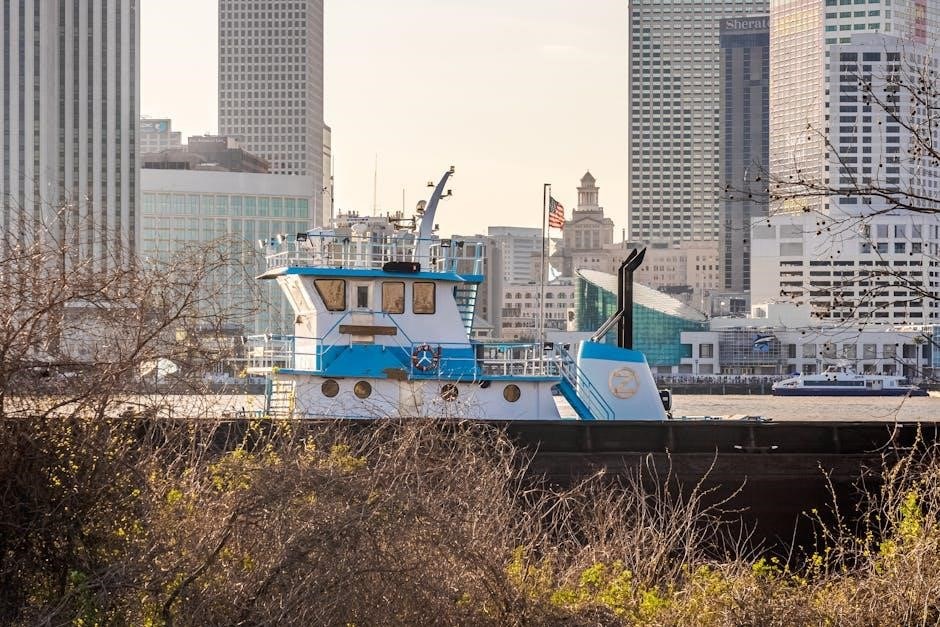
Practical training emphasizes tour delivery skills, focusing on engaging storytelling, effective crowd management, and responding to diverse visitor questions – mirroring experiences offered by companies like American Butler. Simulated tours and guided practice sessions are essential components.
Many programs incorporate supervised on-the-job experience, allowing aspiring guides to apply learned knowledge in real-world scenarios, potentially covering historical, jazz, or even LGBTQ+ history tours.
X. Reciprocity Agreements with Other States/Cities
Currently, New Orleans does not have widespread formal reciprocity agreements with other states or cities regarding tour guide licensing. Guides licensed in other locations generally need to fulfill New Orleans’ specific requirements – examination, background checks, and insurance – to operate legally.
However, informal recognition of experience may exist, potentially streamlining parts of the process for seasoned professionals. Ongoing discussions explore potential partnerships to facilitate smoother transitions for qualified guides from reciprocal jurisdictions.
XI. Fees Associated with Licensing
Several fees are associated with obtaining and maintaining a New Orleans tour guide license. An initial application fee covers processing, while a separate examination fee is required for each attempt. Renewal fees are due annually to keep the license active.

Specific amounts vary and are subject to change; current schedules are available from the licensing authority. Vehicle-related fees may apply for tour operators utilizing transportation, encompassing inspection and permit costs.
A. Application Fees
The initial application fee for a New Orleans tour guide license covers the administrative costs of processing your submission. This fee ensures your paperwork is reviewed, and your qualifications are initially assessed by the licensing board.
Currently, the fee is $150 for a standard city-wide license, with specialized licenses potentially incurring higher charges. Payment methods typically include certified checks, money orders, and online portals, as specified by the authority.
B. Examination Fees
Separate from the application fee, candidates must pay an examination fee to undertake the required assessments. This covers the costs associated with administering and evaluating both the written examination and the practical tour demonstration.
The current examination fee is $200, encompassing both components. Retake fees apply for unsuccessful attempts, typically at a reduced rate of $100 per section. Payment options mirror those for the application fee – certified checks, money orders, and online portals.
C. Renewal Fees
Maintaining an active New Orleans Tour Guide License necessitates periodic renewal and associated fees. These fees support the ongoing administration, oversight, and quality control of licensed tour guides within the city.
The standard renewal fee is $150, payable annually. Late renewal incurs a penalty of $50, emphasizing timely submission. Guides requiring proof of continued insurance may face an additional verification cost of $25. Renewal options include online payment, mail-in checks, or in-person submission.

XII. License Renewal Process & Requirements
New Orleans tour guide license renewal is an annual process, ensuring guides remain current with city regulations and best practices. Renewal applications must be submitted before the license expiration date, typically 30 days prior.

Required documentation includes proof of current liability insurance, a completed renewal form, and evidence of ongoing professional development. Guides must attest to continued adherence to the city’s code of conduct. Online renewal is available, alongside mail-in options for convenience.

XIII. Regulations & Code of Conduct for Tour Guides
New Orleans tour guides are expected to uphold a high standard of professionalism and ethical conduct. Regulations cover accurate historical representation, respectful treatment of sites, and responsible interaction with the public.
The code prohibits misrepresentation of facts, disruptive behavior, and soliciting gratuities in a coercive manner. Guides must comply with all city ordinances and respect private property. Adherence to these guidelines ensures a positive experience for visitors and protects New Orleans’ cultural heritage.
XIV. Vehicle Requirements for Tour Operators
Tour operators utilizing vehicles for tours in New Orleans must meet specific safety and operational standards. Current vehicle inspection reports are mandatory, demonstrating roadworthiness and adherence to city regulations.
Drivers require valid commercial driver’s licenses and must maintain appropriate insurance coverage, including liability protection for passengers. Vehicles must be properly registered and maintained in a clean, safe condition. Compliance with these requirements ensures passenger safety and legal operation within the city limits.
A. Vehicle Inspection Reports
New Orleans tour operators must present current vehicle inspection reports to demonstrate compliance with city safety standards. These reports, obtained from authorized inspection stations, verify the vehicle’s operational condition.
Inspections cover critical components like brakes, lights, tires, and steering mechanisms. Reports must be readily available during licensing application and potential roadside checks. Failure to provide valid inspection reports can result in fines, suspension of operating privileges, or license denial, ensuring passenger safety.
B. Driver Qualifications & Licensing
Tour operators employing drivers require valid Louisiana driver’s licenses with appropriate endorsements for passenger transport. Drivers must maintain clean driving records, free from major violations or excessive points. Background checks are standard, verifying a history devoid of criminal activity impacting public safety.
Commercial Driver’s Licenses (CDLs) may be necessary depending on vehicle size and passenger capacity. Operators must demonstrate knowledge of local traffic laws and safe driving practices, ensuring responsible and lawful transportation for tour participants.
XV. Legal Considerations & Liability
Tour guides and operators face potential liability for participant injuries, property damage, or incidents occurring during tours. Comprehensive liability insurance is crucial, protecting against financial losses from claims. Clear waivers and disclaimers are essential, outlining inherent risks and participant responsibilities.
Adherence to local laws and regulations is paramount, including permits for operating in specific areas. Guides must avoid misrepresentation or false advertising, ensuring accurate information is provided to tourists. Proper documentation, like vehicle inspection reports, is legally required.
XVI. Resources for Tour Guides (Associations & Support)
New Orleans tour guides benefit from joining professional associations, fostering networking and access to industry updates. These organizations often provide advocacy, lobbying for favorable regulations and supporting guide interests. American Butler offers tour services and potentially resources for guides seeking employment or partnerships.
Online platforms and local tourism boards provide valuable information on licensing, training, and best practices. The New Orleans Pass, while aimed at tourists, demonstrates the city’s tourism infrastructure. Support networks can offer mentorship and guidance for navigating the licensing process.
XVII. Popular Tour Types in New Orleans
New Orleans attracts visitors with diverse tour options, demanding specialized guide knowledge. Historical tours delve into the city’s rich past, while Jazz & Music Tours showcase its vibrant cultural heritage. Cemetery Tours, particularly those exploring above-ground tombs, are exceptionally popular, requiring specific expertise.
Ghost Tours capitalize on the city’s spooky reputation, and LGBTQ history tours offer unique perspectives. Evening jazz club tours, like those offered by American Butler, are favored. Guides must adapt their presentations to suit each tour’s theme and audience.
A. Historical Tours
Historical tours form a cornerstone of New Orleans tourism, necessitating guides with deep knowledge of the city’s complex past. These tours cover French and Spanish colonial periods, the Louisiana Purchase, the Civil War, and Reconstruction. Guides must articulate narratives about significant events, architectural styles, and prominent figures.
Accuracy and engaging storytelling are crucial. Guides should be prepared to discuss slavery’s impact and the city’s role in American history. A strong understanding of local lore and the ability to connect historical events to present-day New Orleans are essential for success.
B. Jazz & Music Tours
New Orleans is the birthplace of jazz, making music tours incredibly popular and demanding specialized guide expertise. These tours explore the history of jazz, blues, and other genres originating in the city, visiting iconic venues and neighborhoods like Frenchmen Street. Guides require in-depth knowledge of musical pioneers – Louis Armstrong, Jelly Roll Morton, and others.
Demonstrating an understanding of musical styles, instruments, and the cultural context of New Orleans music is vital. Guides should be able to share anecdotes and stories that bring the city’s vibrant musical heritage to life for visitors.
C. Cemetery Tours
New Orleans’ unique above-ground cemeteries are a major tourist draw, necessitating specialized licensing for guides leading these tours. These tours delve into the city’s burial traditions, architectural styles of the tombs, and the historical figures interred within. Guides must demonstrate respectful conduct and knowledge of cemetery etiquette.
A deep understanding of the city’s history, voodoo traditions, and the stories behind the prominent families buried in cemeteries like Lafayette Cemetery No. 1 is crucial. Guides should be prepared to answer questions about the unique burial practices and the cultural significance of these sites.
XVIII. Contact Information for Licensing Authority
For detailed inquiries regarding tour guide licensing, applicants should directly contact American Butler at 1-786-303-0333. This number facilitates connections with licensing specialists who can clarify requirements and processes. Further assistance and updated information may be available through the City of New Orleans official website, specifically the department overseeing tourism and commerce.
Potential guides are encouraged to verify the most current contact details and office hours before initiating communication. Regularly checking for updates ensures access to the latest guidelines and avoids potential delays in the application process.