

Manual transmission floor shifters are crucial for gear changes in clutch-equipped vehicles, offering precise control.
Hurst Mastershift assemblies, often requiring fabrication, exemplify universal adaptability and enduring performance.
Historical Context of 3-Speed Manuals
3-speed manual transmissions were dominant for decades, offering a balance of simplicity and driver engagement; Early floor shifters, like the Hurst Mastershift, emerged as upgrades over factory options, enhancing precision.
These systems gained prominence in muscle cars, notably Mustangs from 1961-1977, becoming synonymous with a raw driving experience and performance modifications.
The Role of the Floor Shifter
The floor shifter directly connects the driver’s input to the transmission’s internal mechanisms, enabling gear selection. It translates hand movements into precise linkage adjustments. Aftermarket shifters, particularly short-throw designs, minimize movement, boosting shifting speed and acceleration – a key benefit for drag racing applications, improving overall vehicle performance.
Components of a 3-Speed Manual Shifter System
A typical system includes the shifter handle, shift linkage (rods and levers), and internal transmission mechanisms working in harmony for smooth, accurate gear changes.
Shifter Handle and Knob
The shifter handle and knob are the driver’s direct interface with the transmission. Handles come in various styles – straight, bent, or pistol-grip – influencing feel and leverage. Knobs, like the Mustang’s 7277-1, offer customization for grip and aesthetics.
Selecting the right combination enhances the driving experience and provides comfortable, precise gear selection.
Shift Linkage: Rods and Levers
The shift linkage, comprised of rods and levers, translates the shifter’s movement into transmission gear changes. Inspection beneath the vehicle while shifting reveals potential adjustments needed for optimal function. Sometimes, flipping or swapping levers on the transmission itself is required for correct operation, ensuring smooth and accurate gear engagement.
Transmission Internal Mechanisms
A 3-speed manual transmission utilizes internal gears to modify vehicle speed and torque. Diagrams illustrate the gearbox’s layout, showcasing how gear selection alters power delivery. The shifter’s linkage engages these internal components, facilitating smooth transitions between gears, ultimately dictating the vehicle’s performance characteristics.
Types of 3-Speed Manual Shifters
3-speed shifters range from factory originals to high-performance aftermarket options like Hurst Mastershift, each offering unique benefits and requiring varying levels of adaptation.
Hurst Mastershift Shifters
Hurst Mastershift 3-speed shifters are renowned for their precision and durability, serving as both reliable replacements and upgrades; These assemblies, often sold without a stick or knob, demand universal application fabrication. They provide dependable, long-lasting performance, enabling accurate gear selection for classic vehicles, notably Mustangs across multiple decades.
Factory Original Shifters
Original factory shifters for 3-speed manuals offer a restoration-correct appearance and feel for classic vehicles. Parts like the ‘Gear Shift Lever 7277-1’ and Mustang knobs (7213-3A) are sought after. While authentic, these may exhibit wear over time, necessitating rebuilds or careful sourcing of original components for period accuracy.
Aftermarket Performance Shifters
Aftermarket shifters, like the Hurst Mastershift, prioritize precision and durability for enhanced gear selection. Selecting a short throw shifter minimizes hand travel, boosting shifting speed and acceleration – particularly beneficial in drag racing applications. These often require some fabrication for universal fitment, offering a customizable upgrade.

Installation and Adaptation Considerations
Adapting 3-speed shifters often necessitates floor pan modifications, crossmember adjustments, and driveshaft alterations, especially when swapping in truck transmissions.
Floor Pan Modifications
Successfully installing a 3-speed manual shifter, particularly during transmission swaps – like incorporating a truck transmission – frequently demands alterations to the vehicle’s floor pan. Different transmissions require unique shifter openings. Expect cutting and potentially welding to accommodate the new shifter assembly, ensuring proper fitment and operation. Careful measurement and precise execution are vital for a clean and functional installation, avoiding interference with the shifter mechanism.
Crossmember and Driveshaft Adjustments
When swapping transmissions with a 3-speed manual shifter, anticipate necessary adjustments to the vehicle’s crossmember. Different transmissions have varying lengths, requiring a modified or entirely new crossmember for secure mounting. Correspondingly, driveshaft length will likely need alteration to maintain proper geometry and prevent vibration. These adjustments ensure optimal drivetrain alignment and functionality post-installation.
Clutch System Compatibility (Mechanical vs. Hydraulic)
Compatibility between the 3-speed shifter and the clutch system is vital. Vehicles with mechanical clutches present fewer conversion challenges. However, swapping to a transmission designed for a hydraulic clutch system necessitates a complete overhaul, including master cylinder, slave cylinder, and potentially the pedal assembly, increasing complexity and cost.
Troubleshooting Common Issues
Common problems include imprecise gear selection and shifter looseness; inspecting the shift linkage while someone operates the shifter can often pinpoint the source of issues.
Imprecise Gear Selection
Difficulty finding the correct gear often stems from issues within the shift linkage. Carefully examine the rods and levers connecting the shifter to the transmission. Adjustments, or even swapping levers on the transmission itself, might be necessary to achieve accurate engagement. A thorough inspection under the vehicle, with assistance shifting, is key to diagnosing this problem.
Shifter Looseness
Excessive play in the shifter handle indicates worn components within the shifter assembly or its mounting. Inspect the linkage for loose connections or damaged parts. Tighten any fasteners and check for worn bushings. Addressing shifter looseness is vital for precise gear selection and a confident driving experience, preventing missed shifts.
Difficulty Shifting into Gear
Struggling to engage gears often points to issues within the shift linkage or the transmission itself. Inspect the linkage rods and levers for binding or misalignment; adjustments or replacements may be needed. A worn clutch can also mimic shifting problems. Thoroughly examine all components to pinpoint the root cause.
Performance Enhancements with Shifters
Short throw shifters minimize hand travel during shifts, boosting acceleration – particularly valuable in drag racing – and delivering a more responsive driving experience.
Short Throw Shifters and Acceleration
Employing a short throw shifter demonstrably reduces the distance a driver’s hand travels between gears. This minimized movement translates directly into quicker shifts, allowing the engine to remain within its optimal power band for a longer duration. Consequently, acceleration improves, especially during performance driving scenarios like drag racing, where every fraction of a second counts. The enhanced responsiveness provides a more engaging and controlled driving experience, maximizing vehicle potential.
Improving Shifting Speed
Optimizing shifting speed with a 3-speed manual involves more than just the shifter itself. Precise linkage adjustment is key; inspecting rods and levers while shifting reveals potential binding or looseness. Smooth, deliberate movements, coupled with proper clutch engagement, minimize shift time. Aftermarket shifters, like the Hurst Mastershift, contribute to faster, more accurate gear selection, enhancing overall driving dynamics and performance.

Specific Applications & Compatibility
3-speed shifters suit various vehicles, notably 1961-1977 Mustangs; truck swaps demand floor pan modifications and crossmember/driveshaft adjustments for compatibility.
Mustang Applications (1961-1977)
For classic Mustangs spanning 1961-1977, 3-speed manual floor shifters offer restoration or performance upgrade options. Hurst Mastershift assemblies were popular choices. Finding correct gear shift levers and knobs, like the 7277-1 or 7213-3A, is vital for authenticity. Installation often involves direct replacement, maintaining the original feel and functionality within these iconic vehicles.
Universal Applications & Fabrication
Hurst Mastershift 3-speed shifters excel in universal applications, though fabrication is frequently needed for a proper fit. Adapting these shifters requires careful consideration of floor pan contours and transmission tunnel openings. Expect to modify mounting points and potentially adjust shift linkage for optimal, precise gear selection in diverse vehicle projects.
Truck Transmission Swaps
Swapping to a truck transmission often necessitates a different floor pan due to size variations. Crossmember and driveshaft adjustments are almost guaranteed with such a conversion. If your vehicle has a mechanical clutch, integrating a transmission originally designed for a hydraulic system will add complexity to the installation process.
Understanding Shift Patterns
A typical 3-speed manual utilizes an H-pattern, with reverse gear placement varying by manufacturer; diagrams illustrate these layouts for optimal gear selection.
Typical 3-Speed H-Pattern
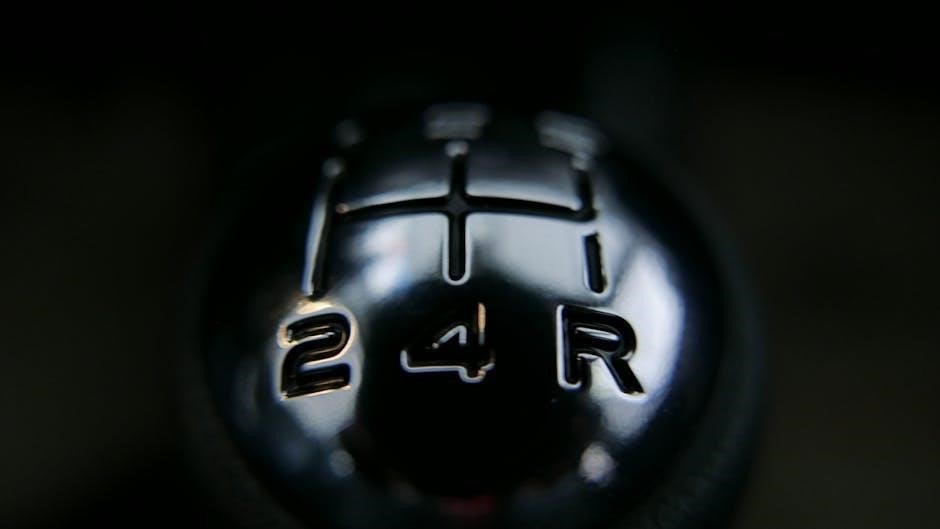
The classic 3-speed H-pattern features first gear forward and left, second gear centered, and third gear forward and right. Neutral resides centrally, allowing movement between gears. Reverse location varies; some shifters place it to the right and down, often requiring a lift-and-push mechanism. Mastering this pattern ensures smooth, efficient gear changes, crucial for vehicle control and performance, offering a direct connection between driver and machine.
Reverse Gear Location
Reverse gear placement on a 3-speed manual shifter isn’t standardized. Commonly, it’s positioned to the right and down from neutral, frequently requiring a lift-and-push or pull-and-shift action to engage. This prevents accidental engagement while driving. Variations exist based on shifter design and vehicle application, demanding driver awareness of the specific mechanism for safe and reliable operation.
Maintenance and Care
Regular lubrication of shifter components and thorough inspection of the linkage are vital for smooth operation and longevity. Consistent care prevents imprecise shifting and looseness.
Lubrication of Shifter Components
Maintaining proper lubrication within the 3-speed manual shifter system is paramount for effortless gear changes and extended component life. Regularly apply a quality chassis grease to all pivot points within the linkage – rods, levers, and the shifter base itself. This reduces friction, preventing stiffness and ensuring smooth, accurate selections. Neglecting lubrication leads to increased wear, imprecise shifting, and potential damage over time, requiring costly repairs or replacements.
Inspection of Linkage
Routine inspection of the 3-speed manual shifter linkage is vital for optimal performance. Crawl beneath the vehicle and carefully examine rods and levers for wear, looseness, or damage. Check for bent components or worn bushings, as these contribute to imprecise gear selection. Someone should operate the shifter while you observe, identifying any binding or excessive play within the system. Address any issues promptly to maintain smooth shifting.

The Future of Manual Transmissions
Despite a general decline in popularity, enthusiast preservation efforts ensure the 3-speed manual transmission and its associated shifters remain relevant within automotive culture.
Decline in Popularity
The prevalence of automatic transmissions, offering ease of use and increasingly sophisticated performance, has led to a significant decrease in demand for manual transmissions. Modern drivers often prioritize convenience over driver engagement. Consequently, manufacturers have reduced production of vehicles equipped with manual gearboxes, including those utilizing the classic 3-speed configuration, impacting shifter demand.
Enthusiast Preservation
Despite the decline, a dedicated community of automotive enthusiasts actively preserves the legacy of 3-speed manual transmissions and their associated floor shifters. This passion fuels restoration projects, parts sourcing, and continued use in classic cars. Online forums and communities facilitate knowledge sharing, ensuring these systems remain viable for future generations of drivers.

Resources for 3-Speed Shifter Information
Online forums and dedicated parts suppliers offer invaluable resources for 3-speed shifter knowledge, restoration guidance, and component sourcing for enthusiasts.
Online Forums and Communities
Numerous online forums are dedicated to classic cars and manual transmissions, providing a wealth of knowledge from experienced enthusiasts. These communities are excellent platforms for troubleshooting issues, sharing installation tips, and sourcing rare parts. Members frequently discuss adapting shifters for various applications, including truck transmission swaps and Mustang restorations. Active participation can unlock solutions for imprecise gear selection or shifter looseness, benefiting both novice and seasoned mechanics.
Parts Suppliers
Several suppliers specialize in classic car restoration parts, offering 3-speed shifter assemblies and components. Sources include vendors selling Hurst Mastershift kits, often without a stick or knob, requiring separate purchase. Others provide factory original replacements or aftermarket performance shifters. Online retailers and specialized auto parts stores cater to Mustang applications and universal fitments, ensuring availability for diverse projects.
Diagrams and Technical Illustrations
Illustrations detail 3-speed manual transmission internal gear layouts and shift linkage schematics, vital for understanding operation and facilitating accurate installation or repair procedures.
Internal Gear Layout
The core of a 3-speed manual transmission involves a series of gears meticulously arranged to provide differing ratios. These gears, typically spur gears, mesh to transfer power from the input shaft to the output shaft.
First gear utilizes a larger gear ratio for increased torque, while third gear employs a smaller ratio for higher speed; Reverse gear incorporates an idler gear to change rotational direction, completing the fundamental gearset.
Shift Linkage Schematics
Shift linkage connects the floor shifter to the transmission, translating driver input into gear changes. Schematics reveal rods and levers working in concert; adjustments are often needed. Crawling underneath while someone shifts helps diagnose issues.
Fabrication may be required for universal applications, potentially involving lever swaps or modifications to ensure precise engagement.
Cost Considerations
Shifter assembly costs vary, and installation adds to the expense. Universal applications needing fabrication will likely increase overall project costs significantly.
Shifter Assembly Costs
The price of a 3-speed manual shifter assembly fluctuates based on brand and condition. A used Hurst Mastershift mechanism can be found for around $100, while new, aftermarket performance shifters range from $200 to $500.
Notably, assemblies without a stick or knob require additional purchases, increasing the total cost. Factory original shifters often command higher prices due to rarity and restoration value.
Installation Costs
3-speed shifter installation costs vary significantly depending on the vehicle and complexity. Simple swaps might cost $200-$500 for labor, but modifications like floor pan alterations or crossmember adjustments can add $300-$800. Truck transmission swaps, requiring more extensive fabrication, could exceed $1000.
DIY installation saves labor costs, but demands mechanical expertise.
Safety Precautions
Proper installation is vital for safe operation; regularly inspect the linkage for looseness or damage. Incorrect installation can lead to imprecise shifting and potential hazards.
Proper Installation Techniques
Carefully examine the shift linkage during installation, ensuring rods and levers align correctly – sometimes flipping or swapping levers is necessary. Universal applications demand fabrication skills for a secure fit. Verify the clutch system’s compatibility, noting that hydraulic clutches present more complexity when swapping transmissions. Double-check all connections before operation, prioritizing safety and precise gear selection.
Regular Inspection
Consistent inspection of the shifter linkage is vital for maintaining optimal performance. Look for looseness or wear in rods and levers, addressing any issues promptly. Ensure secure connections and proper lubrication of all moving components. A proactive approach prevents imprecise gear selection and potential mechanical failures, guaranteeing a smooth driving experience.

Legal and Regulatory Aspects
Vehicle modification laws vary; ensure shifter installations comply with local regulations and inspection requirements. Confirm legality before undertaking any substantial alterations.
Vehicle Modification Laws
Installing a 3-speed manual transmission floor shifter may be subject to vehicle modification laws, differing significantly by location. It’s crucial to research and understand your local and state regulations before beginning any work. Some jurisdictions require inspections to verify modifications meet safety standards.
Failure to comply can result in fines or the inability to legally operate the vehicle on public roads, so diligent research is paramount.
Inspection Requirements
Post-installation, a 3-speed manual shifter modification may necessitate a vehicle inspection. Authorities verify proper functionality, secure mounting of the shifter, and correct shift linkage operation. Ensuring the shifter doesn’t interfere with other components is vital. Documentation of parts used and installation procedures might be required to demonstrate compliance with safety regulations and legal standards.