

Article Plan: Vocal Cord Therapy Exercises PDF
This article details a PDF resource guide for vocal cord therapy. It covers breathing exercises, strengthening techniques (like “AH-AH-AH”), and strategies for reducing tension and triggers.
Focus is placed on hydration, symptom tracking, and anatomical considerations.
Vocal cord therapy is a multifaceted approach designed to address a range of voice disorders, encompassing both structural and functional issues. It’s not merely about “fixing” the voice, but rather retraining the vocal mechanisms for optimal efficiency and health. This often involves a combination of techniques, including targeted exercises, breathing strategies, and lifestyle modifications.
The core principle revolves around restoring the delicate balance of muscle tension within and around the larynx (voice box). Many voice problems stem from either excessive tension or insufficient support, leading to strain, hoarseness, and discomfort. A qualified speech-language pathologist (SLP) specializing in voice is crucial for accurate diagnosis and personalized treatment plans.
This guide, focusing on vocal cord therapy exercises, aims to provide a foundational understanding of common techniques. It draws upon principles highlighted by resources like the Arizona Asthma and Allergy Institute, emphasizing the importance of rest, hydration, and trigger avoidance. Remember, these exercises are most effective when implemented under the guidance of a trained professional.
The exercises detailed herein – including those involving “AH” sounds with glottal attacks and pushing/pulling maneuvers – are intended to improve vocal cord strength, coordination, and flexibility. Consistent practice, as recommended (three times daily, ten repetitions each), is key to achieving lasting results.
Understanding Vocal Cord Dysfunction (VCD)
Vocal Cord Dysfunction (VCD), often misdiagnosed as asthma, is a condition where the vocal cords inappropriately close during breathing, causing airflow obstruction. Unlike asthma, VCD isn’t an inflammatory issue but a motor control problem – the vocal cords are behaving dysfunctionally. This can lead to shortness of breath, wheezing-like sounds, and throat tightness.
Symptoms can be triggered by various factors, including exercise, stress, irritants (like strong smells or smoke), and even vocal overuse. Identifying and avoiding these triggers is a crucial component of managing VCD. Keeping a detailed symptom diary, noting activities and environmental factors present during episodes, is highly recommended, as suggested by resources like the Arizona Asthma and Allergy Institute.
Therapy for VCD focuses on retraining the breathing muscles and reducing laryngeal tension. Breathing exercises are paramount, teaching individuals to control their breathing pattern and prevent the vocal cords from closing inappropriately.
Exercises detailed in PDF guides often include techniques to relax the vocal cords, such as gentle humming and controlled breathing maneuvers. The goal is to restore normal vocal cord movement and alleviate the distressing symptoms associated with VCD. Proper diagnosis by a medical professional is essential before starting any therapy.
The Role of Breathing Exercises in Vocal Cord Therapy
Breathing exercises are foundational to vocal cord therapy, particularly for conditions like Vocal Cord Dysfunction (VCD). These exercises aren’t simply about taking deep breaths; they’re about retraining the muscles involved in respiration to work efficiently and harmoniously. The aim is to counteract the tendency for the vocal cords to close during inhalation, a hallmark of VCD.
PDF guides on vocal cord therapy consistently emphasize diaphragmatic breathing – utilizing the diaphragm for full, controlled breaths. This technique promotes relaxation and reduces the strain on the laryngeal muscles. Exercises often involve slow, deliberate inhalations and exhalations, focusing on expanding the abdomen rather than the chest.
Specific exercises may include pursed-lip breathing, which helps to slow the exhale and maintain positive airway pressure. Another common technique involves controlled breathing while performing simple movements, like turning the head or gently pushing against a chair, as noted in available resources.
Regular practice is key. Consistent implementation of these exercises helps to rebuild proper breathing patterns and reduce the frequency and severity of VCD episodes. These exercises, often taught by clinicians, are a cornerstone of managing vocal cord issues.
Importance of Hydration for Vocal Cord Health
Maintaining adequate hydration is paramount for optimal vocal cord function and is consistently highlighted within vocal cord therapy PDF resources. Vocal cords vibrate rapidly during speech, and proper hydration ensures they remain lubricated and flexible, minimizing friction and preventing irritation. Dehydration leads to thicker mucus, increased vocal effort, and a higher risk of vocal fatigue.
PDF guides often recommend drinking plenty of water throughout the day, not just when feeling thirsty. Aiming for eight glasses of water is a general guideline, but individual needs may vary based on activity level and climate. Avoiding excessive caffeine and alcohol is also crucial, as these substances can have a dehydrating effect.
Beyond water, incorporating hydrating foods like fruits and vegetables can contribute to overall hydration levels. Furthermore, encouraging salivation – through lozenges or sugar-free gum, as suggested by the Arizona Asthma and Allergy Institute – helps keep the vocal cords moist and protected.
Consistent hydration supports the effectiveness of vocal cord therapy exercises, allowing for smoother vocalizations and reducing the risk of strain. It’s a simple yet powerful component of a comprehensive vocal health regimen.
Identifying and Avoiding Vocal Cord Triggers
Vocal cord therapy PDF materials emphasize the critical role of identifying and minimizing exposure to individual triggers that exacerbate Vocal Cord Dysfunction (VCD). These triggers can vary significantly from person to person, making personalized awareness essential. Common culprits include environmental irritants like smoke, dust, and strong odors, as well as allergens.
The Arizona Asthma and Allergy Institute stresses the importance of keeping a detailed log of situations preceding VCD episodes. This symptom diary helps pinpoint specific triggers – perhaps certain foods, weather conditions, or even emotional stressors. Recognizing these patterns allows for proactive avoidance strategies.
Beyond environmental factors, behavioral triggers can also contribute to vocal cord irritation. Excessive talking, yelling, or singing, particularly without proper vocal technique, can strain the cords; Similarly, chronic coughing or throat clearing should be addressed.
PDF guides often recommend modifying activities or environments to reduce trigger exposure. This might involve using air purifiers, avoiding smoky places, or practicing relaxation techniques to manage stress. Consistent trigger avoidance complements vocal cord therapy exercises, promoting faster recovery and long-term vocal health.
Stress Management Techniques for Vocal Cord Health
Vocal cord therapy PDF resources consistently highlight the strong link between stress and vocal cord dysfunction (VCD). Stress often manifests as muscle tension, particularly in the neck and shoulders, directly impacting vocal cord function. Therefore, incorporating stress management techniques is a vital component of any comprehensive therapy plan.
The Arizona Asthma and Allergy Institute specifically recommends stress reduction as a key strategy alongside vocal exercises and trigger avoidance. Techniques like deep diaphragmatic breathing are particularly beneficial, promoting relaxation and improving vocal cord support.
PDF guides frequently suggest mindfulness practices, such as meditation or progressive muscle relaxation, to cultivate a greater awareness of bodily tension and develop coping mechanisms. Regular physical exercise is also encouraged, as it releases endorphins and reduces overall stress levels.
Furthermore, cognitive behavioral therapy (CBT) techniques can help individuals identify and challenge negative thought patterns that contribute to stress and anxiety. Addressing the psychological component of VCD is crucial for long-term management and preventing recurrence. Prioritizing self-care and establishing healthy boundaries are also essential elements of a stress-reducing lifestyle.
Keeping a Vocal Cord Symptom Diary
Vocal cord therapy PDF materials universally emphasize the importance of meticulous symptom tracking. A detailed diary allows individuals to identify patterns, triggers, and the effectiveness of various therapeutic interventions. This proactive approach empowers patients to take control of their vocal health and collaborate effectively with their therapists.
As recommended by the Arizona Asthma and Allergy Institute, recording the context surrounding VCD episodes is crucial. This includes noting the time of day, location, activities undertaken, emotional state, and any potential environmental irritants present. Specific symptoms to document include tightness, breathlessness, hoarseness, and any associated physical sensations.
PDF guides often provide pre-formatted diary templates or suggest using a simple notebook or smartphone app. Consistency is key; daily entries, even on symptom-free days, provide valuable baseline data.
Analyzing the diary entries over time can reveal correlations between specific triggers and symptom onset. This information can then be used to modify behaviors, avoid problematic situations, and refine the therapy plan. A well-maintained symptom diary is an invaluable tool for personalized vocal cord management.
Vocal Cord Strengthening Exercises: Overview
Vocal cord therapy PDF resources consistently highlight strengthening exercises as a core component of treatment. These exercises aim to improve vocal fold muscle endurance, coordination, and overall function, leading to clearer and more controlled voice production. A progressive approach is typically recommended, starting with gentle exercises and gradually increasing intensity.
Many PDF guides, based on clinical practice, outline a series of exercises to be performed multiple times daily – often three times, with ten repetitions of each. A foundational exercise involves articulating “AH-AH-AH” with a deliberate, forceful glottal attack. This helps to engage the vocal folds and improve closure.
Further exercises build upon this base, including prolonged “AH” sounds combined with pushing and pulling techniques (using a chair for resistance). These variations target different aspects of vocal fold control and strength.

It’s crucial to perform these exercises under the guidance of a qualified speech-language pathologist. Proper technique is essential to avoid strain or injury. The goal is to build strength without creating tension, ultimately enhancing vocal cord efficiency and resilience.
Exercise 1: AH-AH-AH with Glottal Attack
This foundational exercise, frequently detailed in vocal cord therapy PDFs, focuses on initiating vocal fold closure with precision. The “AH-AH-AH” sequence, performed with a “hard glottal attack,” aims to strengthen the muscles responsible for vocal fold adduction – bringing the folds together for sound production.
To execute correctly, begin by taking a relaxed breath. Then, forcefully articulate “AH,” initiating the sound with a distinct, sharp onset. Imagine briefly ‘stopping’ the airflow before each “AH” to emphasize the glottal closure. Repeat this sequence rapidly, maintaining a consistent volume and effort level.
The glottal attack isn’t about shouting; it’s about controlled engagement. It should feel like a precise activation of the vocal folds, not a strained or forced sound; Many PDFs recommend visualizing a quick, clean closure of the vocal cords with each “AH.”
This exercise is often prescribed as part of a daily routine, typically ten repetitions, three times a day. It’s a building block for more complex vocal exercises and helps improve vocal cord coordination and strength.
Exercise 2: Prolonged AH with Glottal Attack
Building upon the foundational “AH-AH-AH” exercise, this technique focuses on sustained vocalization with a controlled glottal attack. Vocal cord therapy PDFs often present this as a progression, enhancing endurance and control of vocal fold closure. The goal is to maintain a steady, clear “AH” sound for an extended duration, initiated with that same precise glottal onset.
Begin by taking a comfortable breath, and then initiate the “AH” sound with a firm, but not strained, glottal attack. Focus on maintaining consistent airflow and vocal fold engagement throughout the prolongation. Avoid letting the sound fade or become breathy. Imagine supporting the sound from your diaphragm.
The duration of the sustained “AH” will vary depending on individual ability and therapist guidance. Start with a comfortable length – perhaps 5-7 seconds – and gradually increase it as strength and control improve. Monitoring for vocal fatigue is crucial.
Like the previous exercise, this is typically performed ten repetitions, three times daily. It’s vital to prioritize quality over quantity, ensuring proper technique to avoid strain.

Exercise 3: AH with Pushing Technique
This exercise, frequently detailed in vocal cord therapy PDFs, introduces a physical component to enhance vocal effort and coordination. The “AH with Pushing Technique” involves vocalizing a sustained “AH” sound while simultaneously applying gentle pressure – a ‘push’ – against a stable object, like the back of a chair or a wall.
The purpose is to create a sense of abdominal bracing, which supports vocalization and encourages fuller engagement of the respiratory muscles. Begin by positioning yourself facing a sturdy chair or wall, maintaining good posture. Take a relaxed breath.
As you initiate the “AH” sound, gently push your hands against the chair or wall, resisting the force. Avoid straining; the push should be moderate and controlled. Focus on maintaining a consistent, clear vocal tone throughout the exercise.
Perform ten repetitions, three times a day, as prescribed by a speech-language pathologist. This technique helps to build vocal strength and improve breath support.
Remember to stop if you experience any discomfort or vocal fatigue.
Exercise 4: AH with Pulling Technique
Complementary to the ‘pushing’ technique, the “AH with Pulling Technique” is another valuable exercise often found within vocal cord therapy PDF guides. This exercise aims to engage different muscle groups and further refine vocal control by introducing a pulling action during vocalization.
Similar to the previous exercise, begin by facing a stable object – a chair works well. Maintain good posture and take a relaxed breath. Initiate a sustained “AH” sound. Simultaneously, gently pull towards the chair, as if attempting to draw yourself closer.
The pulling action should be controlled and moderate, not forceful. Focus on maintaining a consistent and clear vocal tone throughout the exercise. The resistance provided by the chair helps to engage the back and shoulder muscles, promoting better postural alignment and breath support.
Complete ten repetitions, three times daily, under the guidance of a qualified speech-language pathologist. This technique enhances vocal strength and coordination.
Discontinue if any discomfort arises, and prioritize proper form over intensity.
Repetition and Frequency of Exercises
Consistency is paramount when implementing vocal cord therapy exercises, as detailed in most PDF guides. The recommended repetition and frequency are crucial for achieving noticeable improvements in vocal function and overall cord health. A structured approach maximizes the benefits and reinforces proper technique.
Generally, vocal cord strengthening exercises – such as the “AH-AH-AH” with glottal attack, prolonged “AH” with pushing/pulling, and variations – should be performed three times daily. Each exercise within a session should be repeated ten times. This provides sufficient stimulus for muscle strengthening without causing undue strain.
However, individual needs vary. A speech-language pathologist will tailor the regimen based on the severity of the vocal cord dysfunction, the patient’s progress, and any underlying medical conditions.
It’s vital to avoid overexertion. If you experience vocal fatigue, pain, or increased hoarseness, reduce the number of repetitions or frequency.
Regular practice, combined with professional guidance, is key to successful vocal cord rehabilitation.
Vocal Cord Adduction Exercises
Vocal cord adduction exercises, often outlined in comprehensive vocal cord therapy PDFs, focus on bringing the vocal folds together efficiently. These exercises are particularly beneficial for individuals experiencing vocal weakness or incomplete closure of the vocal cords, leading to breathiness or vocal fatigue.
A common technique involves controlled coughing exercises. These aren’t forceful expulsions, but rather gentle, deliberate coughs performed ten repetitions, focusing on a clear and loud vocalization during each attempt. This helps to stimulate the adductory muscles.
Another approach integrates head turning with vocalization. Slowly turning the head from side to side while sustaining a vowel sound (“AH”) encourages the vocal cords to adjust and maintain closure throughout the movement. Again, ten repetitions are typically recommended.
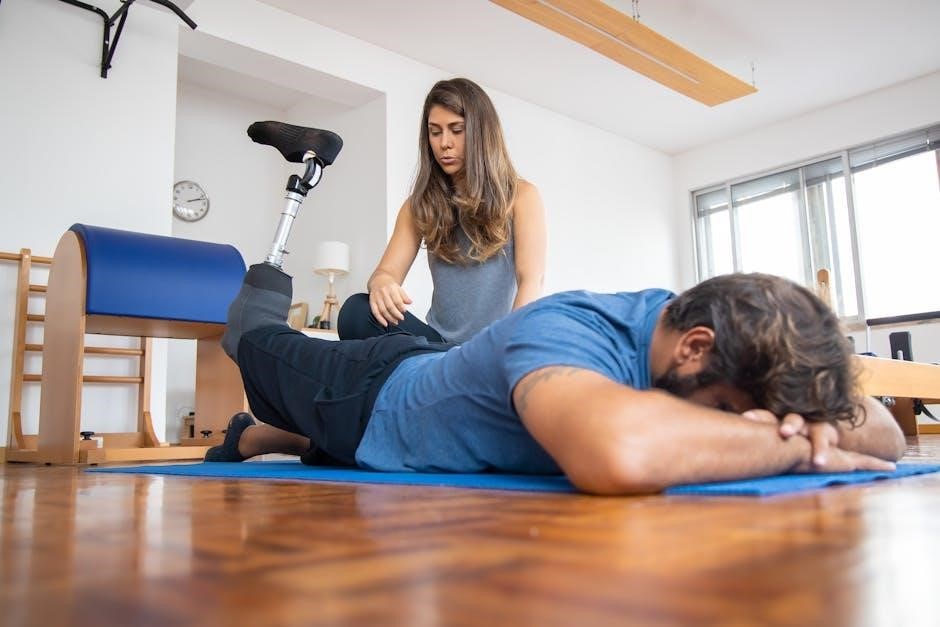
Furthermore, exercises involving pushing or pulling against a chair while vocalizing can enhance adduction by increasing intra-abdominal pressure and supporting vocal fold closure.
Remember to prioritize proper technique and consult with a speech-language pathologist for personalized guidance and to ensure exercises are performed safely and effectively.
Deep Breathing Exercises for Vocal Cord Support
Deep breathing exercises are foundational to vocal cord therapy, frequently detailed within PDF guides; They establish proper breath support, crucial for reducing strain on the vocal cords and improving vocal quality. These exercises aren’t simply about taking large breaths, but about utilizing diaphragmatic breathing – engaging the diaphragm muscle for fuller, more controlled inhalations.
A core technique involves lying down with one hand on the chest and the other on the abdomen. Inhale slowly through the nose, focusing on expanding the abdomen while keeping the chest relatively still. This ensures the diaphragm is doing the work.
Exhalation should be slow and controlled, often paired with a gentle “S” sound to prolong airflow. This strengthens the muscles involved in breath support and improves breath control.
Progressing beyond lying down, practice diaphragmatic breathing while seated and standing. Incorporate counting during inhalation and exhalation to increase awareness and control.
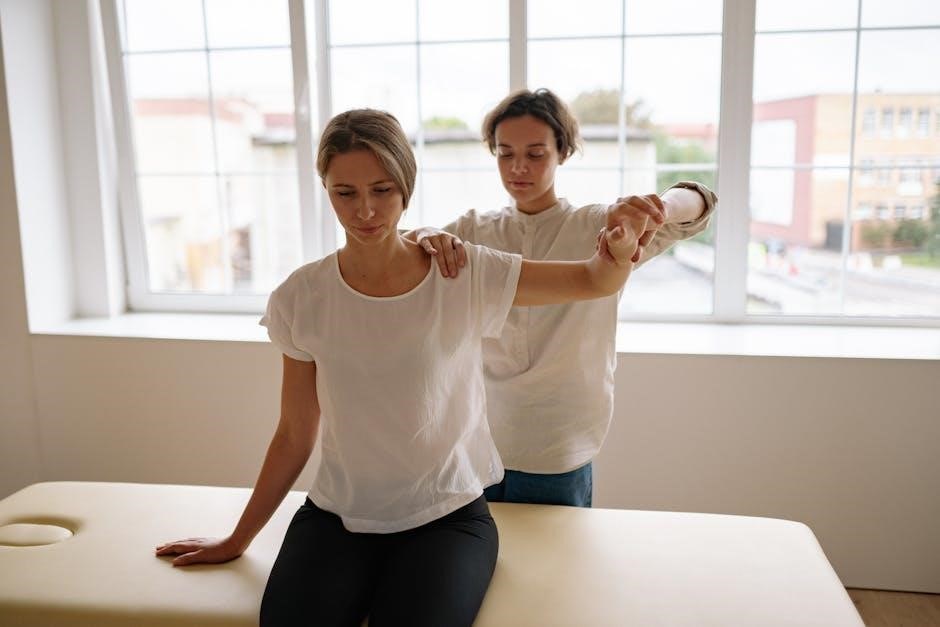
Consistent practice, as outlined in therapy PDFs, is key to developing strong breath support, which directly translates to healthier vocal cord function and reduced vocal cord dysfunction symptoms.
Head Turning Exercises & Vocalization
Head turning exercises, often included in vocal cord therapy PDFs, aim to improve vocal cord flexibility and coordination. These exercises are typically combined with vocalization to enhance their effectiveness. The principle behind them is to gently stretch and mobilize the muscles surrounding the larynx, promoting better vocal cord function.
A common exercise involves slowly turning the head from side to side while sustaining a vowel sound, such as “AH” or “OH”. The key is to maintain a consistent pitch and volume throughout the movement, avoiding any strain or tension.
Another variation includes tilting the head forward and backward, again while vocalizing. These movements should be slow, controlled, and within a comfortable range of motion.
PDF guides often recommend performing 10 repetitions of each exercise, focusing on a loud and clear voice. This helps to strengthen the vocal cords and improve vocal projection.
It’s crucial to avoid forcing the movements or pushing beyond your limits. These exercises should be performed gently and with awareness, prioritizing comfort and proper technique.
Controlled Coughing Exercises
Controlled coughing exercises are a vital component of many vocal cord therapy PDFs, particularly for individuals experiencing Vocal Cord Dysfunction (VCD). Unlike forceful, reflexive coughing, these exercises aim to retrain the cough mechanism to be less traumatic to the vocal cords.

The technique involves initiating a cough with a gentle “huff” of air, rather than a sudden, explosive expulsion. This minimizes the impact on the vocal folds and reduces irritation. Patients are often instructed to perform a series of “huffs” – short, controlled bursts of air – to clear the airway without triggering a full-blown cough.
Vocal cord therapy PDFs typically recommend practicing these exercises several times a day, gradually increasing the intensity as tolerated.
It’s important to focus on maintaining a relaxed throat and avoiding any straining during the exercise. The goal is to develop a controlled cough that effectively clears secretions without causing further vocal cord irritation.

These exercises are often paired with breathing techniques to enhance control and reduce anxiety associated with coughing. Consistent practice, guided by a speech-language pathologist, is key to achieving optimal results.
Focusing on Loud and Clear Voice During Exercises
Many vocal cord therapy exercises, as detailed in associated PDFs, emphasize projecting a loud and clear voice. This isn’t about shouting, but rather about consciously engaging the vocal mechanism to achieve optimal resonance and projection. The aim is to rebuild vocal confidence and strength.
Exercises like the “AH” variations – with glottal attack, pushing, or pulling – specifically instruct patients to repeat each action ten times, while concentrating on producing a strong, audible sound. This deliberate effort helps to counteract the tendency towards a breathy or strained voice often present in VCD or other vocal cord issues.
The focus on loudness and clarity isn’t merely about volume; it’s about improving vocal cord adduction – bringing the vocal folds together efficiently.
Vocal cord therapy PDFs often highlight the importance of monitoring for any discomfort or strain. If pain occurs, the intensity should be reduced.

Consistent practice with this focus can help retrain the vocal muscles, leading to improved vocal control and a more sustainable, healthy voice.
Reducing Vocal Tension: Humming Techniques
Vocal cord therapy PDFs frequently incorporate humming exercises as a cornerstone of tension reduction. Humming is exceptionally effective because it encourages gentle vocal fold vibration with minimal effort, promoting relaxation in the larynx and surrounding muscles. It’s a low-impact way to re-establish healthy vocal patterns.
The technique involves producing a sustained “hmm” sound, focusing on a relaxed jaw, soft palate lift, and open throat. Many resources suggest starting with a comfortable pitch and gradually exploring a wider range. This helps to identify and release areas of constriction.
Humming can be combined with other exercises, such as head turns, to further release tension in the neck and shoulders – areas often tightly linked to vocal strain.
PDF guides often recommend incorporating humming into daily routines, even outside of formal therapy sessions.
Regular humming practice can significantly improve vocal flexibility, reduce muscle fatigue, and foster a sense of vocal ease, ultimately contributing to long-term vocal health and resilience.

The Benefits of Salivation Stimulation (Lozenges/Gum)
Vocal cord therapy PDFs consistently emphasize the crucial role of adequate hydration and lubrication for vocal fold health. Saliva acts as a natural protectant and lubricant, reducing friction during speech and minimizing irritation. When vocal cords are dry, they become more susceptible to strain and inflammation.
Stimulating saliva production, therefore, is a frequently recommended adjunct to other therapy techniques. Lozenges and sugar-free gum are practical tools for achieving this, encouraging increased salivary flow through the act of chewing and sucking.
PDF resources often advise choosing lozenges specifically formulated to soothe the throat, avoiding those with high sugar content which can be counterproductive. Gum should be sugar-free to prevent dental issues.
This simple intervention can provide significant relief, particularly during periods of vocal overuse or in dry environments.
Consistent salivation stimulation supports vocal cord health, reduces discomfort, and enhances the effectiveness of other therapeutic exercises, contributing to improved vocal function and overall well-being.
Vocal Rest: When and How to Implement
Vocal cord therapy PDFs universally acknowledge the importance of vocal rest as a cornerstone of recovery and prevention. It’s not simply about silence, but a strategic reduction in vocal demand to allow the vocal folds to heal and recover from strain or irritation.
PDF guides detail when vocal rest is most critical – during acute episodes of vocal cord dysfunction (VCD), after intense vocal use (singing, public speaking), or when experiencing hoarseness or pain.
Implementing vocal rest effectively involves more than just avoiding speaking. It means minimizing talking, whispering (which can be more straining than normal speech), shouting, and even excessive throat clearing.
Resources often categorize vocal rest into degrees: complete (no vocalization), partial (limited, essential communication only), and modified (reduced volume and duration).
PDFs emphasize that vocal rest should be prescribed and monitored by a speech-language pathologist. Prolonged, unsupervised vocal rest can sometimes be detrimental. It’s a temporary measure, integrated with other therapy techniques for optimal results.
Anatomical Considerations for Exercise Performance
Vocal cord therapy PDFs consistently highlight the necessity of understanding vocal anatomy for effective exercise execution. These resources emphasize that the vocal cords aren’t isolated structures; their function is intricately linked to surrounding musculature and skeletal alignment.
PDF guides detail how exercises like the “AH with pushing/pulling technique” directly engage the laryngeal muscles and require proper posture. The position of the head and neck significantly impacts laryngeal height and vocal fold tension.
Understanding the relationship between the diaphragm, abdominal muscles, and vocal cords is crucial for breathing exercises. Proper diaphragmatic support provides a stable foundation for vocalization.
Resources often include diagrams illustrating the larynx, vocal folds, and surrounding structures. They explain how anatomical variations can influence exercise outcomes and the need for individualized adjustments.
PDFs stress that awareness of one’s own anatomy – recognizing tension in the neck, shoulders, or jaw – is vital. Correct form minimizes strain and maximizes the therapeutic benefits of each exercise, preventing further injury.
Resources for Finding Vocal Cord Therapy PDFs
Locating comprehensive vocal cord therapy PDFs requires navigating various online platforms. Many hospitals and clinics specializing in otolaryngology (ENT) or speech-language pathology offer downloadable resources on their websites. Searching for “[Clinic Name] vocal cord dysfunction exercises PDF” can yield targeted results.
Professional organizations like the American Speech-Language-Hearing Association (ASHA) often provide links to evidence-based practice materials, potentially including relevant PDFs. University medical centers frequently host patient education materials online.
Online databases and repositories of medical information, such as PubMed Central, may contain research articles with supplemental PDF materials detailing specific therapy protocols.
Arizona Asthma and Allergy Institute is specifically mentioned as a source providing breathing exercises and relaxation techniques in PDF format, focusing on Vocal Cord Dysfunction (VCD).
Caution is advised when downloading PDFs from unfamiliar sources. Ensure the information is authored by qualified healthcare professionals and aligns with current medical guidelines. Always consult with a speech-language pathologist or physician before starting any new therapy regimen.
Maintaining Vocal Cord Health
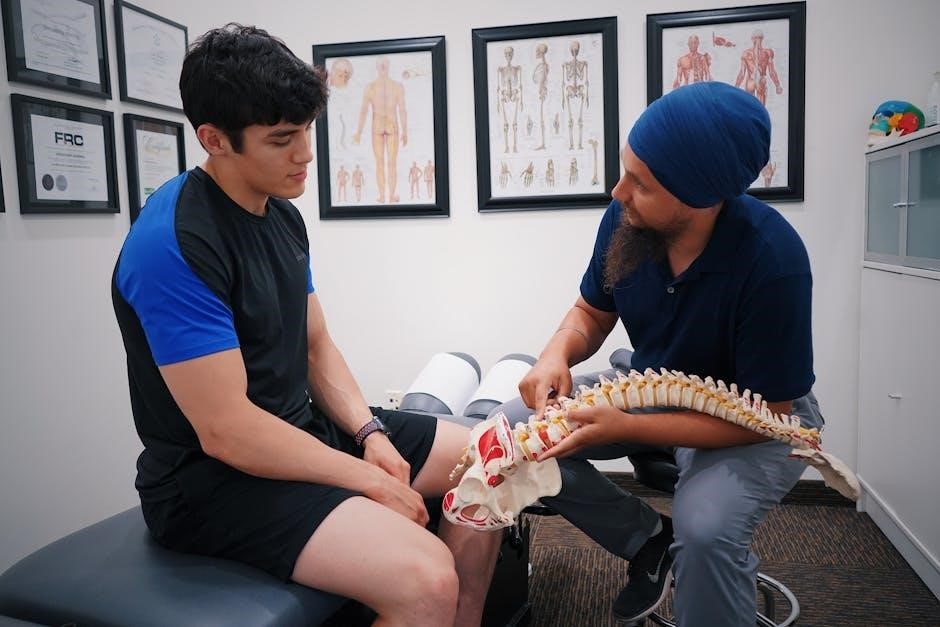
Consistent practice of vocal cord therapy exercises, as outlined in available PDFs, is crucial for long-term vocal health. Integrating these techniques – including breathing exercises, strengthening routines (like the “AH” exercises), and tension-reducing methods like humming – into a daily regimen can prevent recurrence of symptoms.
Proactive management involves identifying and avoiding personal vocal cord triggers, maintaining adequate hydration, and prioritizing vocal rest when needed. Keeping a symptom diary, as suggested by resources like the Arizona Asthma and Allergy Institute, aids in recognizing patterns and adjusting strategies.
Stress management techniques are integral, as stress significantly impacts vocal cord function. Remember that salivation stimulation, through lozenges or gum, helps lubricate the vocal cords.
Ultimately, maintaining vocal cord health is an ongoing process. Regular consultation with a speech-language pathologist ensures exercises are performed correctly and tailored to individual needs. Utilizing readily available PDF resources empowers individuals to take control of their vocal well-being;